
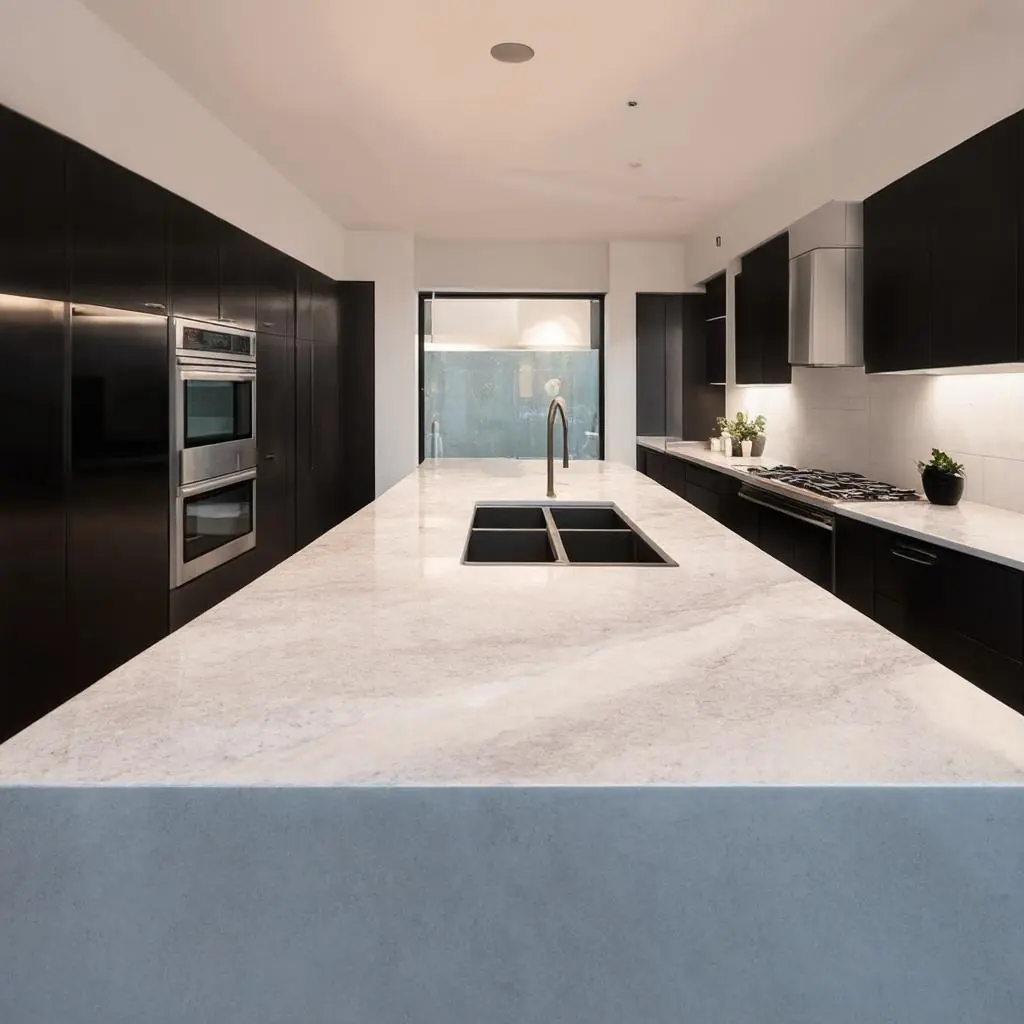
Quartz countertops have become a staple in modern homes, celebrated for their stunning visual appeal and impressive durability. However, recently they have come under scrutiny due to health concerns, particularly regarding crystalline silicosis among workers involved in the cutting and polishing processes. Crystalline silicosis is a serious lung disease caused by inhaling fine silica dust, which is prevalent during the fabrication of quartz countertops. As responsible consumers and industry professionals, it is crucial to understand these risks and the safety measures that can mitigate them.
Health Risks and Safety Measures
The process of cutting and polishing quartz countertops releases silica dust, a known health hazard. Prolonged exposure to silica dust can lead to severe lung conditions, including silicosis, which can be debilitating and sometimes fatal. The key to addressing these health risks lies in implementing effective safety measures. One of the most important strategies is water suppression, which significantly reduces silica dust generation. By using water or other forms of dust suppression systems during the cutting and polishing processes, the risk of inhalation is minimized.
Additionally, workplaces are encouraged to adopt comprehensive safety protocols, including appropriate ventilation systems, personal protective equipment (PPE) for workers, and regular health monitoring. These measures not only protect the workers but also ensure compliance with occupational health and safety standards.
Regulatory Developments and Industry Innovations
The growing awareness of health risks associated with engineered stone has spurred regulatory discourse aimed at enhancing safety standards within the industry. Discussions are ongoing about implementing stricter regulations to govern the use and manufacturing of engineered stone products. Such regulations may include mandatory safety measures and limits on permissible silica content.
In response to these challenges, the industry is also witnessing a shift towards safer materials and innovative solutions. Manufacturers are exploring alternative materials that maintain the allure of quartz while reducing health risks. For instance, advancements in technology are enabling the production of engineered stone products with reduced silica content, aiming to offer a safer option without compromising on quality and design.
Informed Decision-Making for Homeowners and Designers
For homeowners and interior designers, understanding these health implications is essential in making informed choices when selecting countertops for their projects. While the beauty and functionality of quartz countertops are undeniable, safety should never be compromised. By prioritizing products from manufacturers who adhere to strict safety standards and offer low-silica alternatives, consumers can ensure a healthier environment for all.
Moreover, interior designers can play a pivotal role in advocating for safer practices by guiding their clients towards materials that align with both aesthetic and safety preferences. Emphasizing the importance of selecting suppliers and fabricators who implement robust safety measures can contribute significantly to the well-being of all individuals involved in the renovation and construction process.
Conclusion
In conclusion, while the allure of quartz countertops remains strong, understanding and addressing the associated health risks is imperative. Through awareness, innovation, and regulatory initiatives, the industry can progress towards a safer environment for workers and consumers alike. By making informed decisions and advocating for safety, homeowners and interior designers can contribute to a responsible and health-conscious marketplace, ensuring that the elegance of quartz is matched by a commitment to safety.